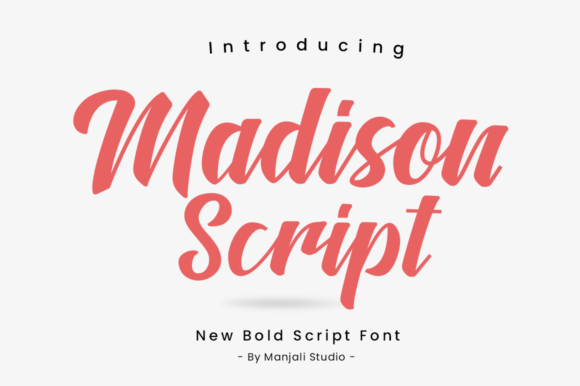
Madison Script: The Handwritten Font That Feels Both Timeless and Modern
There's a particular quality in handwriting that digital type often struggles to capture—the slight imperfections, the natural flow of ink on paper, the personality embedded in every curve and connection. Madison Script manages to preserve that human touch while delivering the consistency and versatility designers actually need in professional work. It's the kind of typeface that makes you stop scrolling, the one that feels warm without sacrificing polish.
What sets this font apart from the hundreds of script options available today is its balance. Many handwritten fonts lean too far in one direction: either they're so casual they look amateurish, or they're so refined they lose the organic feel that makes script fonts appealing in the first place. Madison Script sits comfortably in the middle, drawing from classic calligraphic traditions while maintaining a contemporary edge that works across modern design contexts.
Where This Font Truly Shines
Think about the last time a piece of packaging caught your eye at the store. Chances are, the typography played a significant role. Script fonts like Madison Script work exceptionally well in packaging design because they communicate craftsmanship and care—qualities consumers associate with artisanal products, boutique brands, and thoughtfully curated goods. A candle company, a specialty coffee roaster, or a handmade cosmetics line could use this typeface to signal quality before the customer even reads the product description.
Logo design is another area where this font demonstrates real strength. The letterforms connect naturally, creating a sense of cohesion that works beautifully for brand marks. A wedding photographer, a florist, a boutique consultancy, or a lifestyle brand could build an entire visual identity around the personality Madison Script brings to a logo. The key is pairing it thoughtfully—a clean sans serif for body text creates a striking contrast that keeps the design grounded and readable.
Social media graphics deserve special attention here. Platforms like Instagram and Pinterest reward visual distinctiveness, and a well-chosen script font can make quote graphics, promotional posts, and story templates feel more personal and engaging. Instead of blending into the sea of generic Canva templates, content using Madison Script carries a handcrafted quality that audiences notice and respond to. Bloggers and influencers who want their visual content to feel more authentic often find that switching to a premium font like this one makes a noticeable difference in how their posts perform.
Practical Applications Across Industries
Consider the range of projects where a handwritten font adds genuine value. Wedding invitations and event stationery are obvious choices—the elegant connections between letters evoke a sense of celebration and intimacy. But the applications extend well beyond special occasions.
Restaurant menus benefit from script fonts that suggest a personal touch. A café might use Madison Script for section headers while keeping item descriptions in a simple serif or sans serif font, creating a hierarchy that's both functional and visually appealing. Editorial designers working on magazine layouts, book covers, or blog headers can use it to create focal points that draw readers into the content. Even digital products like printable planners, worksheets, and online course materials gain a warmer, more approachable feel when designed with a typeface that doesn't look sterile.
For merchandise—think tote bags, mugs, t-shirts, and stickers—a script font needs to reproduce clearly at various sizes. Madison Script maintains its character whether it's printed large across a tote or scaled down for a product tag. This versatility matters enormously for small business owners who need their branding assets to work consistently across multiple formats without constant redesign.
Getting the Pairing Right
One of the most common mistakes designers make with script fonts is choosing the wrong companion typeface. Madison Script has enough visual weight to serve as a headline or accent font, but it needs a partner that complements rather than competes. A geometric sans serif like Montserrat or a clean serif like Playfair Display can create a beautiful contrast. The script font handles names, titles, and short phrases where personality matters, while the secondary font takes care of longer text blocks where readability is paramount.
Testing font pairings before committing to a final design saves significant time and frustration. Mock up a few variations—a business card, a social media post, a website header—and evaluate them side by side. Ask yourself whether the combination feels balanced, whether the hierarchy is clear, and whether both fonts maintain their distinct personalities without clashing. Sometimes the pairing that looks interesting in theory doesn't work in practice, and that's perfectly fine. Experimentation is part of the process.
Readability deserves honest consideration. Script fonts are not designed for body text or long paragraphs. Their strength lies in short-form applications: headlines, logos, quotes, names, and decorative elements. Using Madison Script for a 200-word product description would frustrate readers. Using it for a product name or a tagline? That's where it excels. Understanding this distinction separates thoughtful design from trendy but impractical choices.
Understanding What You're Working With
Before incorporating any new typeface into a project, take time to explore the full character set. Premium fonts like Madison Script often include alternate letterforms, ligatures, and stylistic variations that expand creative possibilities significantly. These extras allow designers to customize the look of repeated letters, adjust connections between specific character pairs, and create a more natural handwritten appearance. Spending fifteen minutes exploring these features can elevate the final result from good to genuinely impressive.
Licensing is another practical consideration that's easy to overlook in the excitement of finding the perfect font. Most commercial projects require a license that covers the specific use case—whether that's a logo for a client, merchandise for sale, or a digital product distributed to customers. Always verify that the license matches your intended application. This isn't just about legal compliance; it's about respecting the work of the type designers who created the font. A quality typeface represents hundreds of hours of craft, and proper licensing supports the continued creation of design assets that professionals depend on.
Building a Cohesive Visual Identity
Typography is one of the most powerful tools for creating brand recognition. When a business uses the same font consistently across its website, social media, packaging, and print materials, customers begin to associate that visual style with the brand itself. Madison Script, with its distinctive personality, can become a recognizable element of a brand's identity—a visual signature that sets it apart from competitors using the same handful of free fonts everyone downloads.
The goal isn't to use the flashiest font available. It's to choose a typeface that aligns with the brand's personality and communicates the right message to the right audience. A financial advisor probably shouldn't use a script font for their primary branding. But a bakery, a boutique clothing line, a creative agency, or a personal brand built around warmth and authenticity? Those are contexts where a handwritten font like Madison Script becomes a strategic asset rather than just a decorative choice.
Visual consistency across platforms builds trust. When a potential customer sees the same thoughtful typography on an Instagram post, then on a website, then on product packaging, the message is clear: this brand pays attention to details. That perception of care and professionalism influences purchasing decisions more than most people realize. Typography might seem like a small detail, but it contributes to the overall impression a brand creates—and impressions drive engagement, loyalty, and ultimately revenue.
Choosing the right creative font for a project involves balancing aesthetics with function, personality with professionalism, and uniqueness with readability. Madison Script makes that balancing act considerably easier. It brings enough character to make designs memorable, enough refinement to feel professional, and enough versatility to work across the diverse range of applications that modern design projects demand. Whether you're building a brand from scratch or refreshing an existing visual identity, it's worth exploring how this typeface might serve your next creative challenge.