Manggala: The Playful Font That Brings Your Creative Projects to Life
Imagine you're designing a logo for a new artisan bakery, and the default script fonts feel too stiff or overly formal. You need something with personality—something that feels hand-crafted but still polished. That’s where Manggala steps in. This modern handwritten typeface, developed by Kong Font Studio, strikes a balance between playful energy and versatile elegance, making it a favorite among crafters, designers, and small business owners looking to add a personal touch to their work.
A Typeface with Character and Flexibility
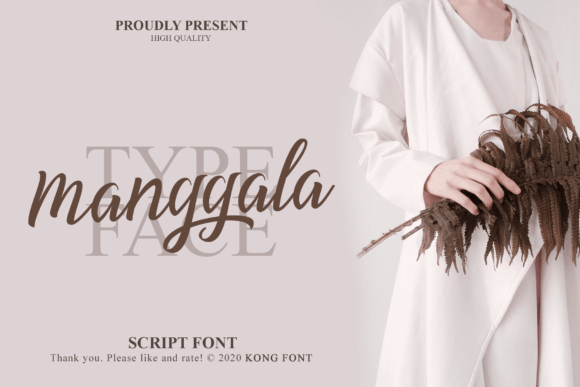
What sets Manggala apart from other script fonts is its unique blend of whimsy and readability. While some handwritten fonts sacrifice clarity for style, Manggala maintains a clean, flowing structure that works well at both large and small sizes. The letters have a natural, slightly irregular rhythm—like genuine handwriting—but without the chaos that can make some script fonts hard to read. This makes it particularly useful for projects where you want to convey warmth and authenticity without compromising on professionalism.
Visually, Manggala features smooth curves, gentle swashes, and a balanced x-height that ensures legibility even in shorter blocks of text. It’s a premium font that feels modern without being trendy, which means it won’t look dated in a year or two. Whether you’re working on a logo, social media graphics, or product packaging, Manggala brings a cohesive, handcrafted feel that elevates the overall design.
Practical Applications for Designers and Entrepreneurs
If you’re a small business owner or a creative professional, you know how important it is to have a consistent brand identity. Manggala can play a key role in that. Here are some of the most effective ways to use this font across different projects:
- Logo Design and Branding: Manggala works beautifully as a primary logotype for brands that want to appear approachable, creative, or artisanal. Think bakeries, boutique shops, lifestyle blogs, or handmade product lines. Its handwritten style adds a human touch that serif or sans serif fonts sometimes lack.
- Packaging and Labels: For product packaging, especially in the food, beauty, or stationery industries, Manggala can make labels feel personal and high-quality. It’s a great choice for front-of-pack text, brand names, or taglines where you want to draw the eye without overwhelming other design elements.
- Social Media Graphics: In a crowded digital space, fonts that feel genuine can help your content stand out. Manggala is ideal for Instagram quotes, Pinterest pins, or Facebook ads where a handwritten aesthetic can boost engagement and shareability.
- Invitations and Event Materials: From wedding invitations to workshop flyers, Manggala adds a celebratory, crafted feel. Its playful nature suits events that are meant to feel joyful and personal.
- Website and Blog Headers: While it’s not ideal for body text, Manggala can be used strategically for headings, pull quotes, or call-to-action buttons on websites and blogs. Pairing it with a clean sans serif font for body copy can create a nice visual contrast.
- Merchandise and Printables: If you sell T-shirts, mugs, or digital downloads, Manggala can give your designs a cohesive, handcrafted look that resonates with customers seeking unique, artisanal products.
Pairing Manggala with Other Fonts
One of the keys to using a script or handwritten font effectively is pairing it with complementary typefaces. Manggala’s playful energy means it pairs well with simpler, more neutral fonts that don’t compete for attention. Consider combining it with a classic serif font like Times New Roman or Georgia for a balanced, elegant look. Alternatively, a clean sans serif such as Montserrat or Open Sans can provide a modern, minimalist backdrop that lets Manggala’s personality shine.
When testing font pairings, pay attention to scale and weight. Manggala works best as a display or headline font, so use it for titles, short phrases, or accent text rather than long paragraphs. This ensures readability while maintaining visual interest. Tools like Adobe Photoshop, Illustrator, or even free platforms like Canva make it easy to experiment with different combinations before finalizing a design.
Licensing and Commercial Use
Before using Manggala in commercial projects, it’s important to review the licensing terms. As a premium font available through design marketplaces, it typically comes with a license that covers both personal and commercial use—but always double-check the specifics. Some licenses may have restrictions on the number of users or the types of projects you can use it for. If you’re a freelancer or agency working on client projects, ensure the license covers client deliverables as well.
Also, keep in mind that while Manggala is versatile, it’s not a one-size-fits-all solution. For projects requiring high legibility at small sizes—like legal disclaimers, body text, or technical documentation—a serif or sans serif font would be more appropriate. Manggala shines in contexts where personality and visual appeal are prioritized over dense information delivery.
Final Thoughts on Choosing the Right Font
Typography is a subtle but powerful tool in design and branding. The right font can shape how your audience perceives your brand, influence readability, and even affect conversion rates. Manggala offers a refreshing alternative to overused script fonts, providing a modern, handcrafted aesthetic that feels both personal and polished.
Whether you’re crafting a brand identity from scratch or refreshing an existing one, consider how Manggala might fit into your visual language. Test it in different contexts, pair it thoughtfully, and use it where its strengths can make the most impact. In a world saturated with generic design, a font like Manggala can help your projects feel genuinely human—and that’s something worth investing in.